 TheOneToGo
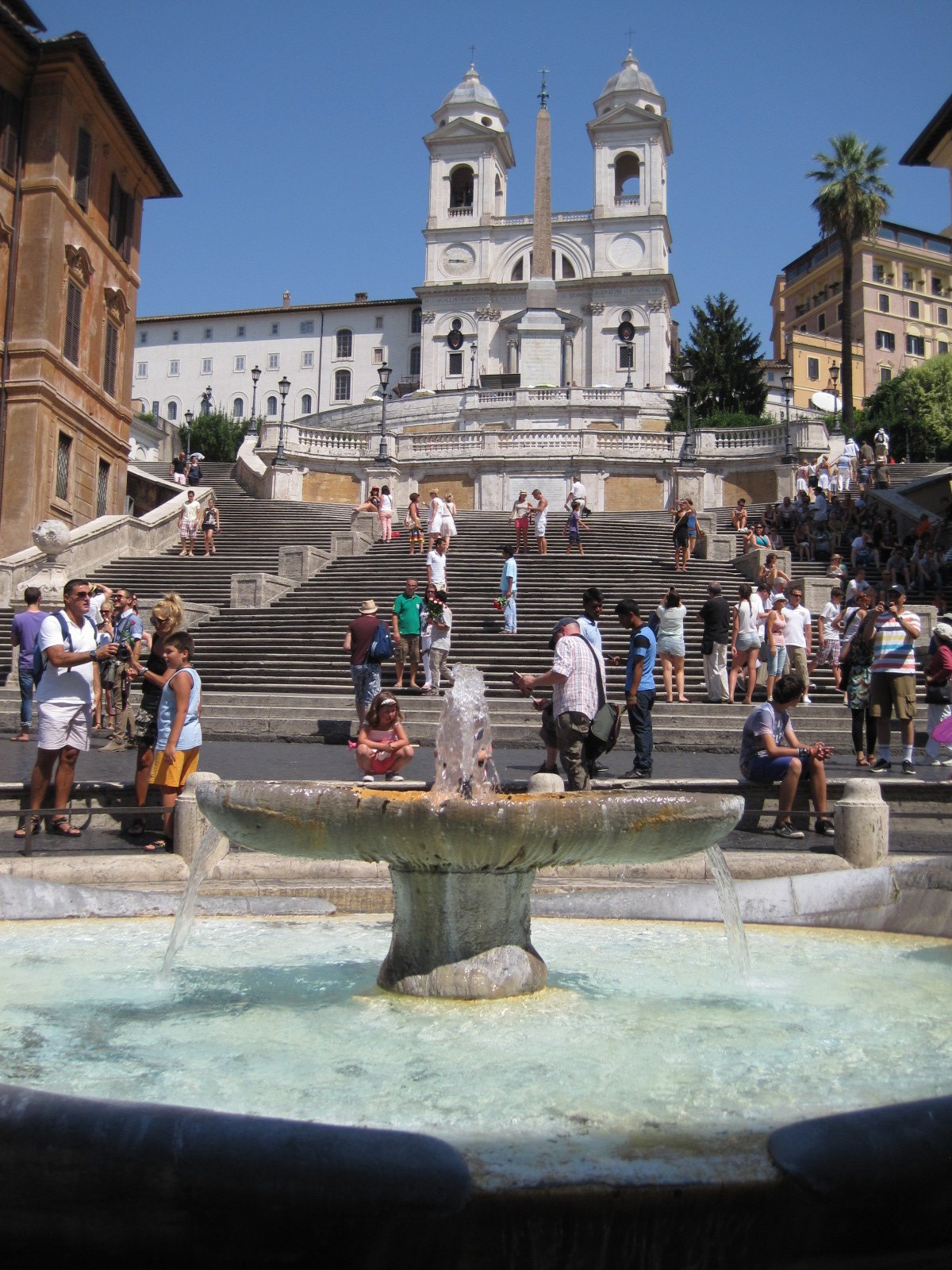
Spanish Steps
Go, because it is free, central, and honestly lovely from the top. Just do not plan your day around it, and do not pay for a tour unless the guide is taking you through a wider slice of historic Rome.
The Spanish Steps are that big 18th-century staircase running up from Piazza di Spagna to the Trinità dei Monti church. Free, dead central, and worth a look. Just know they are usually packed, watched by police, and a fair bit less romantic in person than the photos make them out to be.
Worth it for
- First-timers who want that classic look down over Piazza di Spagna
- Anyone already on foot between Trevi, Via Condotti, Villa Borghese, or the historic center
You can skip if
- You cannot stand crowds and only have time for Rome's heaviest hitters
- You are after somewhere to sit, eat, or rest, because this is not it
No ticket needed for Spanish Steps
The Spanish Steps are best enjoyed for free: arrive early, climb to the top, and take in Piazza di Spagna before the shopping crowds fill the staircase. Save your tour money for a broader historic Rome walk that includes the area, not for the steps themselves.
Which ticket should you buy?
What You Actually See
There is nothing to buy a ticket for here. No rooms, no galleries, no timed route. It is a public staircase, built between 1723 and 1726 and opened for the 1725 Jubilee, with the Barcaccia fountain sitting at the bottom and Trinità dei Monti up top.
What makes it good is the street scene around it. You climb, you turn around for the view back down over Piazza di Spagna, and you take in the church and obelisk above with the pricey shopping streets spreading out below. Come expecting a proper sightseeing stop and you will leave underwhelmed. Give it 15 to 30 minutes and it does its job.
The Catch
You are not allowed to sit, eat, or drink on the steps. Rome actually fines people for parking themselves on the stairs and for dirtying or damaging monuments, so this is not the spot to spread out a picnic or take a long breather.
Then there are the crowds. Piazza di Spagna is one of those places in Rome where it is easy to switch off and just gawp, and that is precisely the moment pickpockets and the people pushing bracelets go to work. Keep your phone and wallet close, especially near the fountain, the metro entrance, and the lower steps.
What Is Worth Doing Nearby
If you like books or small museums, the Keats-Shelley House at Piazza di Spagna 26 is the add-on I would pick. It sits right at the foot of the steps, in the house where John Keats died in 1821, and it gives you a calmer reason to stick around.
Via Condotti is the obvious next move. It is luxury shopping rather than anything resembling real Rome, but the line of sight from the steps straight down the street looks genuinely good. For a free walk that pays off more, head toward the Trevi Fountain first thing in the morning, or climb up to the Pincio and Villa Borghese for a quieter view over the city.
How It Compares
Against the Trevi Fountain, the steps are the less showy of the two, but they read fine on a quick stop. Piazza Navona has more art and more space to actually stand around. And the Colosseum or the Vatican Museums are simply playing a different game, the kind of thing you build a day around.
Judge the steps against free Rome, not paid Rome. As a free outdoor sight you can stroll up to, they earn a short detour. As the headline of a paid tour, they need a lot of help from the guide, because the staircase itself asks nothing of you: no ticket, no expert, just your own two feet.
Spanish Steps: FAQs
Yes. The staircase is a public outdoor monument, so there is no admission ticket to climb the steps themselves.
No. Sit, eat, or drink on the steps and you risk a fine. Keep moving, shoot your photos from the side or down in the piazza, and find a cafe or a bench somewhere else if your legs need a break.
They are outdoors, so you can usually get to them any time of day. The exceptions are maintenance, events, crowd control, or police restrictions. The churches and museums around them run their own hours.
None for the outdoor steps. If you go into Trinità dei Monti or any other church, cover up and check the current visitor rules first.
First thing in the morning gives you the cleanest view and the thinnest crowds. Late evening can be nice too, though the area still pulls people in, so keep an eye on your valuables.
Not just for the steps. A walking tour earns its place if it also takes in Piazza di Spagna, the Trevi Fountain, the Pantheon, or Baroque Rome. Paying to be walked to a staircase, though, is not worth it.
Explore more in Rome
Plan your trip
- Best time to visit Rome
- Day trips from Rome
- Rome in One Day: The Efficient Visitor's Plan
- 2 Days in Rome: Ancient Rome One Day, the Vatican the Next
- 3 Days in Rome: A Realistic First-Timer Itinerary
- 5 Days in Rome: Beyond the Highlights
- Free Things to Do in Rome Without Cutting Corners
- Rome with Kids: A Realistic Day Plan
- Rome at Night: The Walk That Beats Any Daytime Tour
- Rome When It Rains: Indoors and Better for It
- Colosseum: Arena Floor vs Underground (Which Upgrade Is Worth It)?
- Castel Sant'Angelo vs the Capitoline Museums: Which to Pick?
- Rome's Catacombs vs the Appian Way: Which Dark-History Site Wins?
Worth it, or skip it?
Join the early list. When it launches, expect the occasional short email: the handful of things actually worth your time in each city, the famous ones to skip, and when it's free or cheaper to just walk in. No paid placement.