 TheOneToGo
3 Days in Rome: A Realistic First-Timer Itinerary
Almost everything that goes wrong in Rome traces back to one thing: showing up at a sight without a ticket. The Colosseum, the Vatican, and now even the Pantheon all run on timed entry, and the good slots are gone before you arrive. Sort those three first and the rest of the city falls into easy walking distance, with whole evenings left over for pasta and people-watching.

Here is the part that separates a smooth Rome trip from a frustrating one. The Colosseum (whose timed ticket also covers the Roman Forum and Palatine Hill), the Vatican Museums and Sistine Chapel, and the Pantheon all run on timed entry, and the morning windows sell out days ahead in summer. Reserve those three the moment your dates are firm and you have done the hard part.
Then watch the closed days, because they catch people out. The Vatican Museums shut on Sundays except the last Sunday of the month, when entry is free but mobbed and the hours are short. The Pantheon closes for a handful of holidays and pauses sightseeing during Mass. We put the ticketed sights in the mornings, give afternoons to the walkable neighborhoods, and leave evenings open.
Day 1: Ancient Rome
- Morning
Start at the Colosseum at your timed entry, ideally the first slot of the day before the heat and the crowds build. Your ticket also covers the Roman Forum and Palatine Hill, so do not rush. Plan on two to three hours here.
Colosseum guide
- Afternoon
Walk straight into the Roman Forum on the same ticket, then climb Palatine Hill for the wide view back over the ruins. Wear real shoes: the ground is uneven gravel and old stone, and there is almost no shade.
Roman Forum guide
- Evening
Wander up to the Capitoline Hill for sunset over the Forum, then drop into the Monti neighborhood just north of the Colosseum for dinner. It is full of small trattorias and wine bars and stays lively without feeling like a tourist trap.
Day 2: Vatican City
- Morning
Use a pre-booked timed entry for the Vatican Museums and head for the Sistine Chapel, which sits at the end of the route and needs no separate ticket. Going early matters here more than almost anywhere else in Rome.
The Vatican guide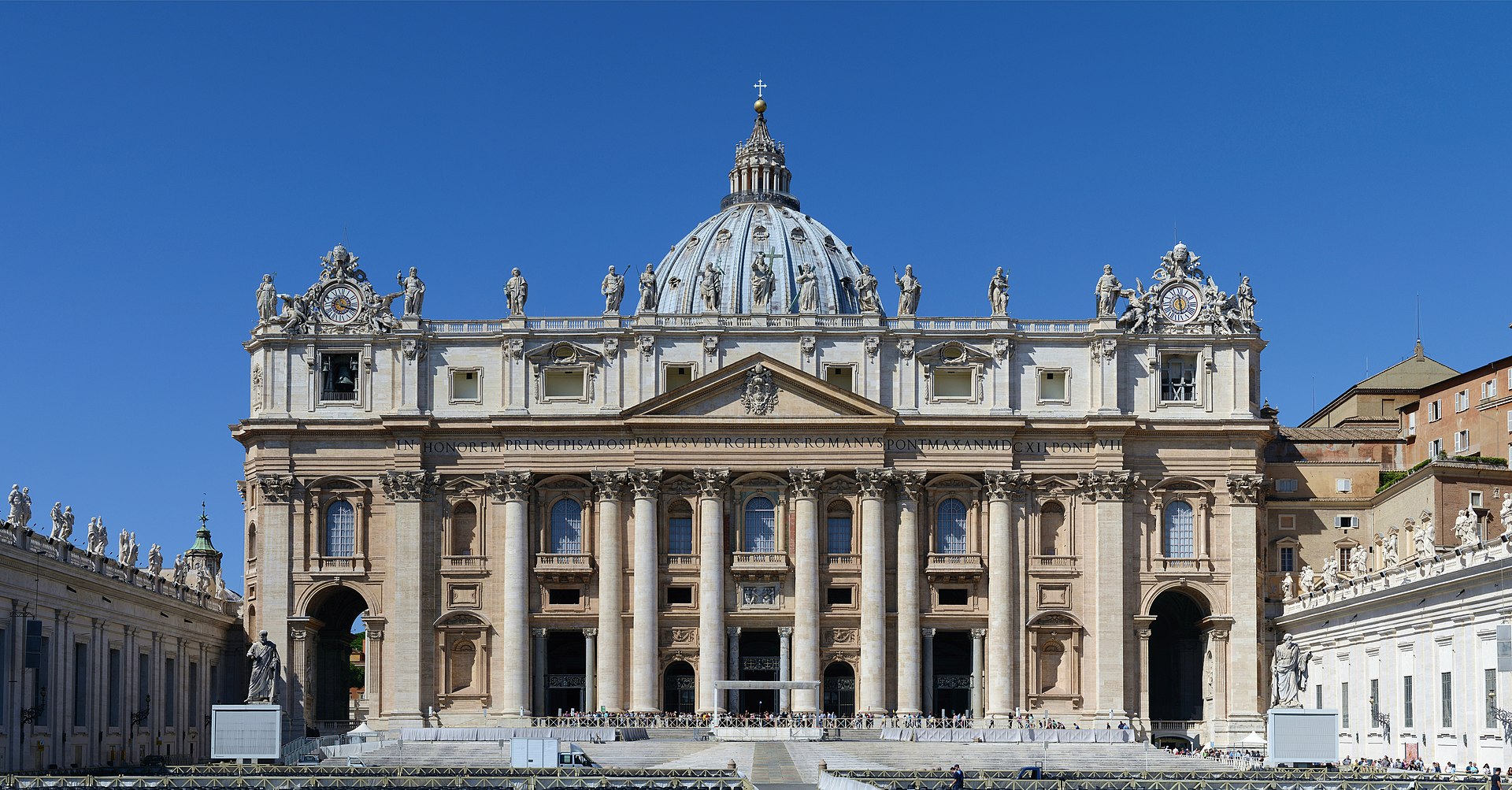
- Afternoon
After the Museums, walk to St. Peter's Basilica. Entry to the basilica itself is free, though the security line can be long and there is a modest charge to climb the dome. Dress for a church: shoulders and knees covered, or you will be turned away.
- Evening
Cross the river to Trastevere, the cobbled neighborhood that feels like village Rome. Have an aperitivo on a small piazza, then dinner. It is a 20-minute walk from the Vatican along the Tiber or a short tram ride.
Day 3: The historic center on foot
- Morning
Book a Pantheon time slot and go early. The entry fee is small and the building is free to admire from outside, but the interior, with its open oculus, is the reason to step in. It now requires a timed ticket on most days.
Pantheon guide
- Afternoon
Stitch together the centro storico on foot: Piazza Navona, the Trevi Fountain, and the Spanish Steps are all within a short walk of each other. Viewing the Trevi from the square is free, though getting down to the basin now carries a small fee for non-residents.
Trevi Fountain guide
- Evening
Climb to the Pincio terrace above Piazza del Popolo for a last panorama of domes and rooftops, then have a relaxed final dinner nearby. End with gelato and a slow walk back through the lit-up streets.
Photo credits
Photos: FeaturedPics, Alvesgaspar, NikonZ7II (CC BY-SA 4.0); Wolfgang Moroder (CC BY-SA 3.0) via Wikimedia Commons.
Practical tips
- Book the Colosseum, Vatican Museums, and Pantheon as soon as your dates are set. Morning slots vanish first in summer, and the Colosseum special-access add-ons sell out weeks ahead.
- Carry a refillable bottle. Rome's nasoni (the little cast-iron street fountains) run cold, clean drinking water all over the center, which saves money and a lot of walking in the heat.
- Dress for churches even on a sightseeing day. St. Peter's and many other churches enforce covered shoulders and knees, so a light scarf or layer in your bag keeps you from being turned back.
Rome itinerary: FAQs
For the big three, yes. The Colosseum, the Vatican Museums and Sistine Chapel, and the Pantheon all use timed entry, and the best morning slots sell out days ahead in summer. Booking online also lets you skip the longest lines.
It is enough for a strong first visit: ancient Rome, the Vatican, and the historic center, with time to actually enjoy meals. It is not enough to see everything, and that is fine. Group sights by area, as this plan does, so you are not constantly crossing the city.
Yes, you can view the Trevi Fountain from the square above the basin for free. Since February 2026, non-residents who want to go down to the basin and toss a coin pay a small fee during the day, and access opens up for free late at night.
Plan the rest of your trip
Explore more in Rome
Plan your trip
- Best time to visit Rome
- Day trips from Rome
- Rome in One Day: The Efficient Visitor's Plan
- 2 Days in Rome: Ancient Rome One Day, the Vatican the Next
- 5 Days in Rome: Beyond the Highlights
- Free Things to Do in Rome Without Cutting Corners
- Rome with Kids: A Realistic Day Plan
- Rome at Night: The Walk That Beats Any Daytime Tour
- Rome When It Rains: Indoors and Better for It
- Colosseum: Arena Floor vs Underground (Which Upgrade Is Worth It)?
- Castel Sant'Angelo vs the Capitoline Museums: Which to Pick?
- Rome's Catacombs vs the Appian Way: Which Dark-History Site Wins?
Worth it, or skip it?
Join the early list. When it launches, expect the occasional short email: the handful of things actually worth your time in each city, the famous ones to skip, and when it's free or cheaper to just walk in. No paid placement.