 TheOneToGo
Things to do in Nice
For every landmark we tell you what's worth booking, what to skip, and when it's free or cheaper to do yourself. We never sell the top spot.

The essential things to do in Nice
-
1. Walk the Promenade des Anglais.
Do it early, when joggers and swimmers still have the seafront mostly to themselves. The beach is pebbles, not sand, and it is hard on bare feet, but the sweep of the Baie des Anges still gets me every time.
-
There is no castle to tour, so go for the views, the shade, and the pleasure of getting above the traffic. The park usually opens in the morning and closes around early evening or later in summer, but check the current hours if you are going near closing time. The lift can save your legs when it is running, though I would not build a day around it.
-
3. Shop Cours Saleya in the morning.
The flower and food market usually runs Tuesday to Sunday, with Monday given over to antiques and second-hand stalls. It is touristy, but it still works if you arrive early and buy fruit, bread, olives, or something else you will actually eat.
-
Old Nice is crowded, loud, and sometimes clogged with gelato queues, but the narrow streets still win. Skip the obvious lanes when they jam up and turn toward Place Rossetti, Rue Droite, or the smaller streets behind the cathedral.
-
5. Eat socca hot from the pan.
Socca is chickpea flour, water, olive oil, heat, and pepper. That sounds plain until you get a crisp edge and a soft middle. Eat it standing or at a no-frills table. This is snack food, not a plated performance.
-
6. Visit the Matisse Museum in Cimiez.
The museum is not a blockbuster, and that is the point. It is usually closed on Tuesdays and has seasonal hours, so check before you go. Pair it with Cimiez, the nearby Roman remains, and the olive trees outside.
-
7. See the Marc Chagall National Museum.
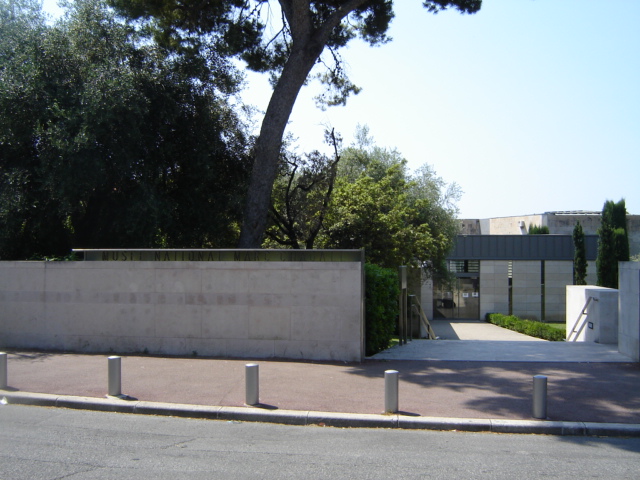
This is the art stop I would keep even on a short trip. The collection is focused and strange in the best way, built around Chagall's biblical works, with more range than the reproductions suggest. Check current opening days before you commit.
-
8. Take a train to Villefranche-sur-Mer.
Nice is good at day trips, and Villefranche-sur-Mer is the easiest win. Trains from central Nice or Nice Riquier are short and frequent in normal service, but schedules shift, so check the return before you swim and settle in.
Landmark guides for Nice




Plan your trip to Nice
How many days do you have?
Photo credits
Photos: TTaylor, Myrabella, Tubantia, Europe22, Lascaris (CC BY-SA 3.0); Alexander Migl, Mike is Michi, Amin (CC BY-SA 4.0); Magali M from Nice, France (CC BY-SA 2.0) via Wikimedia Commons.
First Impression
Nice looks softer than it feels. The sea is bright, the buildings are warm-toned, and the palms do their job, but this is a working city with tram lines, apartment blocks, scooters, sirens, and locals trying to get through their day.
That contrast is why I like it. You can have a museum morning, a cheap socca lunch, a swim off the stones, and a messy old-town dinner without changing cities. The tradeoff is crowding, especially in summer, around Cours Saleya, and anywhere near the seafront at peak hours.
How Long To Stay
Two full days is enough for the core: Promenade, Old Town, Castle Hill, one museum, one long meal, and a beach stop if the weather cooperates. Three or four days is better because Nice gets more useful once you add Cimiez, the port, Libération market, and a train trip along the coast.
If you have only one day, do not over-plan it. Walk the Promenade, climb Castle Hill, eat in or near Vieux Nice, then choose either Chagall or Matisse. Trying to squeeze in Monaco, Èze, and Cannes on the same day is how people turn the Riviera into a checklist.
Food And Markets
Niçoise food is the best reason to resist the bland seafront menus. Look for socca, pissaladière, petits farcis, pan bagnat, salade niçoise, courgette flower fritters, and tourte de blettes. The Cuisine Nissarde label is a useful filter for restaurants that keep close to local recipes, though I would still read the menu before sitting down.
Cours Saleya is the obvious market, and it is worth seeing once. Libération is where I would go for a more everyday food-market feel, usually Tuesday to Sunday mornings. Either way, morning is better than midday, and lunch near a market usually beats a random beach club meal.
Beaches And Seafront
Nice has pebble beaches, not soft sand. Bring water shoes or accept that getting into the sea will look awkward. The public beaches are fine for a quick swim, while private beach clubs buy you a lounger, service, and less chaos. In high season, the cost can rise fast, so check current rates before you commit.
The Promenade des Anglais is better as a walk than a place to spend the whole day. For an easier swim, consider Villefranche-sur-Mer or Beaulieu-sur-Mer by train. For a sunset stroll, stay in Nice and walk toward the port when the light starts to drop.
Art And History
Nice was listed by UNESCO in 2021 as a Riviera winter resort town, and that explains the city better than the beach-poster version does. The Promenade des Anglais, the grand hotels, Cimiez, and the old resort architecture all point back to visitors who came for mild winters before the city became a summer beach machine.
The museums are not filler. Chagall is the strongest single visit for me, Matisse is best paired with a walk around Cimiez, and MAMAC would normally be the modern and contemporary stop, but it has been closed for major renovation work since 2024. Check current openings before you go, because museum schedules, ticket rules, and renovation closures change.
Getting Around
Nice is easy without a car. Tram line 2 links the airport with the city and Port Lympia, with a city-center connection at Jean Médecin, and the full airport-to-port ride is roughly half an hour in normal service. The center is walkable, and TER trains make coastal day trips simple. A car is more burden than freedom if you are staying central.
The one catch is terrain and heat. Old Nice has tight streets, Castle Hill means stairs or a lift when available, and summer afternoons can flatten your ambition. Do the uphill bits or museums before lunch, then slow down.
Where to stay and explore: Nice's neighborhoods
- Vieux Nice
- Best for first-timers who want atmosphere at the door and do not mind noise. It is beautiful, crowded, and full of both good local food and lazy tourist traps.
- Carré d'Or
- The practical central choice, close to the Promenade, shops, restaurants, and tram links. It can feel polished rather than personal, but it makes logistics easy.
- Le Port
- The port area is my pick for a slightly less obvious stay, with good bars, restaurants, and access to Garibaldi and the coastal path. It still has local texture, though prices have caught on.
- Libération
- Go here for the market and a more everyday Nice. It is not as pretty as the Old Town, but it is better for food shopping, coffee, and seeing the city outside the visitor lane.
- Cimiez
- Quiet, leafy, and uphill, Cimiez suits museum people and travelers who want space. It is less convenient for late-night wandering, so stay here for calm, not buzz.
- Jean-Médecin
- This is the transit and shopping spine of central Nice. It is useful, busy, and not especially romantic, but the tram access makes it a smart base.
- Mont Boron
- Mont Boron has views, villas, and a more residential feel above the port. It is lovely if you want quiet and can handle hills, buses, or taxis.
Where to stay in Nice
Find hotels and apartments near the sights. Booked through Expedia, free to use.
Booking via Expedia. We may earn a commission, at no cost to you.
Things to do in Nice: FAQs
Two full days covers the main sights. Three or four days is better if you want museums, markets, beach time, and one easy train trip.
For most travelers, yes. Nice has better food range, better museums, better transit, and more real city life. Cannes and Monaco work better as day trips.
Yes, and you probably should. The tram, buses, walking routes, and coastal trains cover the usual trip well, while parking and traffic are annoying in the center.
No. Nice beaches are pebbly, so bring water shoes or use a mat. If you want easier beach time, check nearby towns by train.
Carré d'Or is the easiest central base. Vieux Nice has more character but more noise, while the port is better if you want restaurants and a slightly less obvious location.
May, June, September, and early October are the sweet spot for most people. July and August bring heat, crowds, and higher prices, while winter is calmer and better for museums, walks, and food than for beach time.
More cities in France
Worth it, or skip it?
Join the early list. When it launches, expect the occasional short email: the handful of things actually worth your time in each city, the famous ones to skip, and when it's free or cheaper to just walk in. No paid placement.