 TheOneToGo
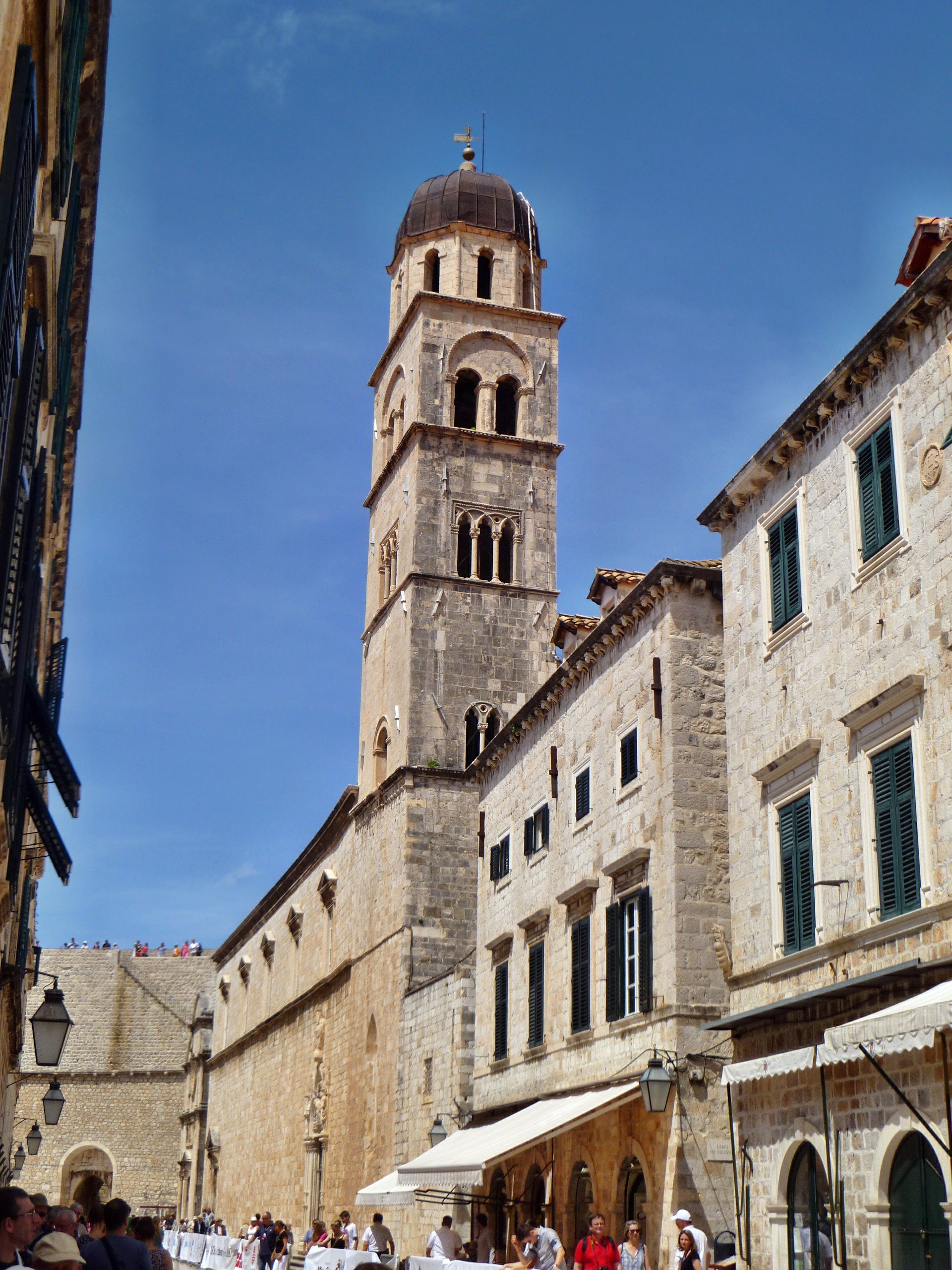
Franciscan Monastery Museum
I would visit if you are already inside the Old Town and want one compact, calm stop near Pile Gate. It is not a major museum day, but the cloister and pharmacy material make it more than a box-tick.
The Franciscan Monastery Museum is one of the better short stops inside Dubrovnik's Old Town. I would go for the Romanesque-Gothic cloister, the old pharmacy objects, and the relief of stepping off Stradun into a cooler stone courtyard.
Worth it for
- Travelers who like cloisters, monastic architecture, and historic pharmacy objects
- Anyone using a Dubrovnik pass who wants a short cultural stop near Stradun
You can skip if
- You only enjoy large museums with extensive labels and modern displays
- You are short on time and have not yet walked the city walls or seen the Rector's Palace
Book Franciscan Monastery Museum with the official seller
The Franciscan Monastery Museum sells entry at the door, and that ticket is the only way to actually walk the cloister and see the historic pharmacy collection. None of the bookable options here get you inside. Buy at the entrance on Stradun, go early to beat the cruise-ship window, and you will have the courtyard largely to yourself.
See the tours resellers offer anyway
Which ticket should you buy?
Why It Matters
The Franciscan complex is on Placa, better known as Stradun, just inside Pile Gate. That makes it easy to treat as a quick add-on, but the place has more substance than its small museum footprint suggests.
Dubrovnik's tourist board links the present monastery inside the walls with 1317, after an older Franciscan site in the Pile suburb was affected by war preparations. The church was restored in Baroque style after the earthquake of 6 April 1667, so the visit is a mix of medieval fabric, later repair, and museum display.
What You Actually See
The lower cloister is the reason to come. The tourist board lists 120 columns and 12 large pilasters, and the carved capitals are the part worth slowing down for. It is not a big site, but it gives you a proper pause from the polished-stone traffic outside.
The museum section is smaller and old-fashioned. Expect pharmacy vessels, mortars, presses, scales, manuscripts, religious objects, and paintings rather than big galleries or interactive displays. If you like material history, it works. If you need modern interpretation, it may feel thin.
The Old Pharmacy
The monastery is tied to the Friars Minor Pharmacy, with 1317 usually given as its founding date. It is often described as one of Europe's oldest pharmacy traditions still in operation, though rankings like oldest or third oldest depend on how the source defines continuous use.
The historic pharmacy material in the museum is the interesting part: equipment, containers, recipes, and furniture that make medicine feel like a practical craft. I would not visit only for the old-pharmacy claim, but it gives the stop a sharper point.
How To Fit It Into A Dubrovnik Day
This works best before or after the city walls, especially if you enter Old Town through Pile Gate. Most people can see it in about 25 to 45 minutes, longer if you read labels carefully or spend time with the church art.
The tradeoff is cost versus time. If it is included in a city pass you already plan to use, I would go. If you are paying separately and only have one museum slot, the Rector's Palace may feel fuller.
Franciscan Monastery Museum: FAQs
It is at Placa 2, 20000 Dubrovnik, inside the Old Town near Pile Gate and the western end of Stradun.
Most travelers need about 25 to 45 minutes. Add time if you want to sit in the cloister, read labels carefully, or visit the church as well.
The museum displays historic pharmacy objects, including old vessels, tools, recipes, and furniture. The working pharmacy belongs to the wider Franciscan complex, but the museum visit is mainly about the cloister and historic collection.
Yes, if you like architecture, old medical objects, and quieter corners of the Old Town. Skip it if you want a large museum with modern displays.
Current pass information lists Friars Minor Franciscan Monastery Museum at Placa 2 among included sights, but pass terms can change. Check the official Dubrovnik Pass list before you count on it.
Yes. It is a useful rainy-day or high-heat stop because the cloister and museum areas give you shade and shelter near the main Old Town route.
Explore more in Dubrovnik
Plan your trip
- Best time to visit Dubrovnik
- Day trips from Dubrovnik
- One Day in Dubrovnik: Walls First, Old Town Slowly, Srđ at the End
- Two Days in Dubrovnik: Walls First, Island Second
- Three Days in Dubrovnik: Walls, Stone Heat, Lokrum, and Cavtat
- Dubrovnik With Kids: Walls, Islands, Heat, and Hard Truths
- Dubrovnik at Night: Old Town After the Day Crowd Leaves
- Dubrovnik When It Rains: Museums, Monasteries, and Dry Old Town Plans
- Dubrovnik City Walls vs Dubrovnik Cable Car: which big-view experience to pick
- Lokrum Island vs Cavtat: Which Dubrovnik Day Trip Should You Take?
Worth it, or skip it?
Join the early list. When it launches, expect the occasional short email: the handful of things actually worth your time in each city, the famous ones to skip, and when it's free or cheaper to just walk in. No paid placement.